
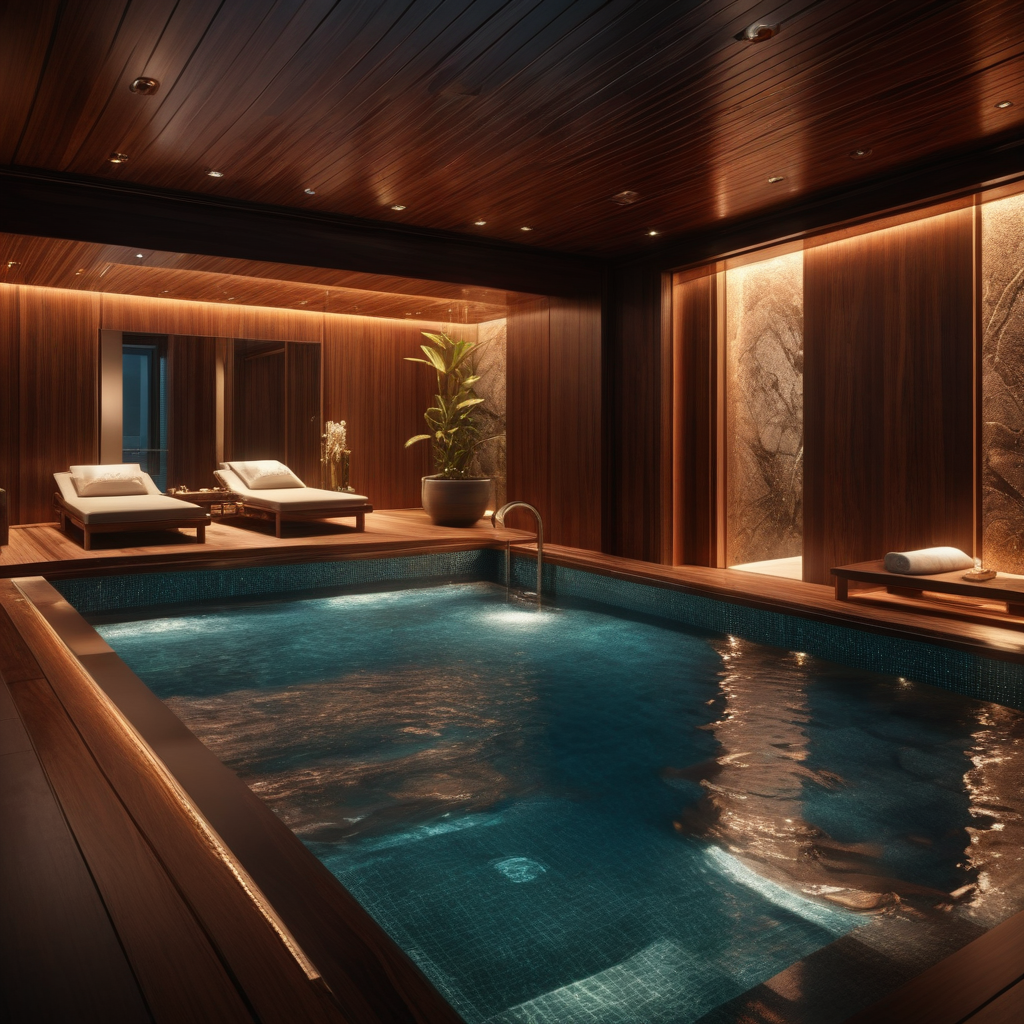
Commercial Cold Plunge Protocols for Hong Kong & Macau: Science-Based Operating Standards
Cold plunge demand in Hong Kong and Macau has moved from niche athletic recovery into mainstream luxury hospitality. Hotels, branded residences, and private clubhouses now treat recovery circuits as a commercial asset, not a side feature. The practical challenge is execution: many facilities install cold systems but fail to define reliable operating protocols. The result is inconsistent guest experience, avoidable intervention events, and weak conversion from trial usage to repeat usage.
This guide reframes the topic from “how cold should water be?” to “how should a commercial facility operate cold exposure safely and consistently at scale?” For projects in humid, high-turnover environments such as HK and Macau, protocol quality matters as much as equipment quality.
Commercial cold plunge Hong Kong: what operators actually need to standardize
The primary keyword for this page is commercial cold plunge Hong Kong, and the buyer intent behind it is operational: decision-makers want systems that are safe, stable, and easy to run daily under real occupancy pressure. A complete standard must include thermal control targets, session design rules, staffing responsibilities, and escalation logic.
1) Protocol tiers by user profile
One protocol for every guest is a mistake. Commercial facilities should define at least three tiers:
- Intro tier: first-time or occasional users with short exposure windows.
- Standard tier: regular guests using repeatable comfort-performance balance.
- Performance tier: coached users with tighter sequencing and supervision.
2) Thermal stability targets
Setpoint alone is not enough. Define allowable drift and time-to-recover after peak entry bursts. If the system cannot recover quickly after clustered usage, guest confidence drops even if the nominal setpoint is correct on paper.
3) Operator intervention thresholds
Define clear trigger points for staff intervention (drift outside tolerance, flow anomaly, treatment warning). Fast, scripted responses prevent visible service degradation.
Why Hong Kong and Macau need stricter operating discipline
Both markets combine premium expectations with demanding operating conditions. High humidity, dense occupancy patterns, and burst-based traffic create narrow error margins. In this context, engineering discipline is not optional.
Hong Kong context
Urban properties often operate under tighter plant-space constraints while handling frequent wellness usage. Systems must be compact, controllable, and easy for frontline teams to operate without ambiguity.
Macau context
Occupancy surges can cluster around events and peak tourism windows. Protocols should be validated against surge days, not average days, to avoid instability during the most visible service periods.
Commercial implication
Guests remember consistency. Facilities that maintain reliable session quality convert wellness into brand trust and repeat utilization. Facilities with fluctuating performance absorb hidden operational and reputational costs.
Commercial cold plunge Hong Kong procurement checklist
System architecture
- Define throughput target per hour and peak clustering assumptions.
- Specify recovery time-to-target after grouped entries.
- Document redundancy and failure-mode handling.
Water treatment and quality control
- Match treatment stack to bather load variability and staffing reality.
- Set sensor calibration cadence and ownership.
- Map alarms to specific operator actions and escalation windows.
Operational SOP package
- Tiered protocol cards for front-of-house teams.
- Contraindication and supervision flow.
- Incident communication template for rapid guest support.
Equipment path for reliable daily operation
For HK/Macau facilities that prioritize reliability and service consistency, these internal product paths are practical references:
- Compact XP Dual Temp — dual-mode flexibility for mixed guest profiles.
- Turbo Typhoon Chiller — stronger pull-down support for peak-hour recovery.
- TR 3000 Team Recovery Pool — group-ready protocol environment.
- Remote Screen 15 Inch — better operator visibility and response speed.
Related technical reading:
Operational KPI model for managers
Core KPIs
- Session completion quality rate
- Intervention frequency per 100 sessions
- Temperature recovery time after peak clusters
- Uptime percentage for core recovery circuit
Review cadence
Use weekly operational review and monthly engineering review. Weekly reviews catch process issues early; monthly reviews validate system tuning and maintenance efficiency.
FAQ
Should every guest use the same cold plunge protocol?
No. Commercial settings should run tiered protocols by user profile and supervision level to maintain safety and quality.
What matters more in practice: lower temperature or stable operation?
Stable operation. Guests and operators benefit most from predictable setpoint behavior, controlled drift, and fast recovery after bursts.
Can cold plunge work as a standalone feature?
Yes, but it performs better commercially when integrated into a full recovery sequence with clear SOPs and staff-ready control workflows.
Soft CTA
If your team is still designing the guest journey, start with a protocol matrix (user type × exposure tier × supervision level) before final equipment lock-in.
Hard CTA
Need a project-ready commercial cold plunge operating standard for Hong Kong or Macau? Contact Kung Sheung for a full SOP and commissioning blueprint tailored to your facility profile.
Ready to Engineer Your Wellness Facility?
Precision cold plunge systems, pool equipment, and full installation & maintenance across HK, Macau & GBA.