
Cold Plunge vs Cryotherapy vs Contrast Therapy: A Hong Kong Operator's Engineering Comparison
Executive Summary
For commercial operators in Hong Kong, Macau, and the Greater Bay Area, the three most common recovery modalities — cold water immersion (CWI / cold plunge), contrast water therapy (CWT), and whole-body cryotherapy (WBC) — are not equal in evidence, engineering demand, or local fit [Source 1, 4, 9]. Peer-reviewed systematic reviews support CWI most strongly for muscle soreness, perceived fatigue, and certain performance recovery outcomes [Source 1, 2, 3]. Evidence for CWT is more mixed, with some meta-analyses finding no significant difference from control in performance and fatigue recovery [Source 4, 5]. WBC carries the weakest evidence base in this comparison, with a Cochrane review explicitly concluding that there is insufficient evidence to determine its effectiveness for muscle soreness [Source 9, 10]. This article compares the three modalities honestly, then translates the comparison into commercial engineering decisions for Hong Kong facilities.
Why Hong Kong Operators Are Comparing These Three
Across Hong Kong's premium hotel spas, sports clubs, and new residential developments, operators are increasingly asked to specify recovery amenities. The three modalities that recur in design briefs are:
- Cold plunge / cold water immersion (CWI) — a chilled water bath, typically 10–15°C
- Contrast water therapy (CWT) — alternating hot and cold immersion, often paired with sauna or steam
- Whole-body cryotherapy (WBC) — a brief exposure to extremely cold air, typically -110°C to -140°C
Each has marketing presence, but the evidence and engineering realities differ. The goal of this comparison is to help operators make a specification decision based on what actually works, what is buildable in Hong Kong, and what is honest to guests.
Cold Water Immersion (CWI): What the Evidence Says
Cold water immersion is the most extensively studied of the three modalities. Peer-reviewed systematic reviews report that CWI is consistently effective at reducing delayed onset muscle soreness (DOMS) and muscle pain intensity in athletic populations [Source 1, 2, 3]. It has also been shown to significantly reduce perceived fatigue after strenuous exercise [Source 1, 3] and may support recovery of sport-specific performance markers such as jump performance [Source 1, 2].
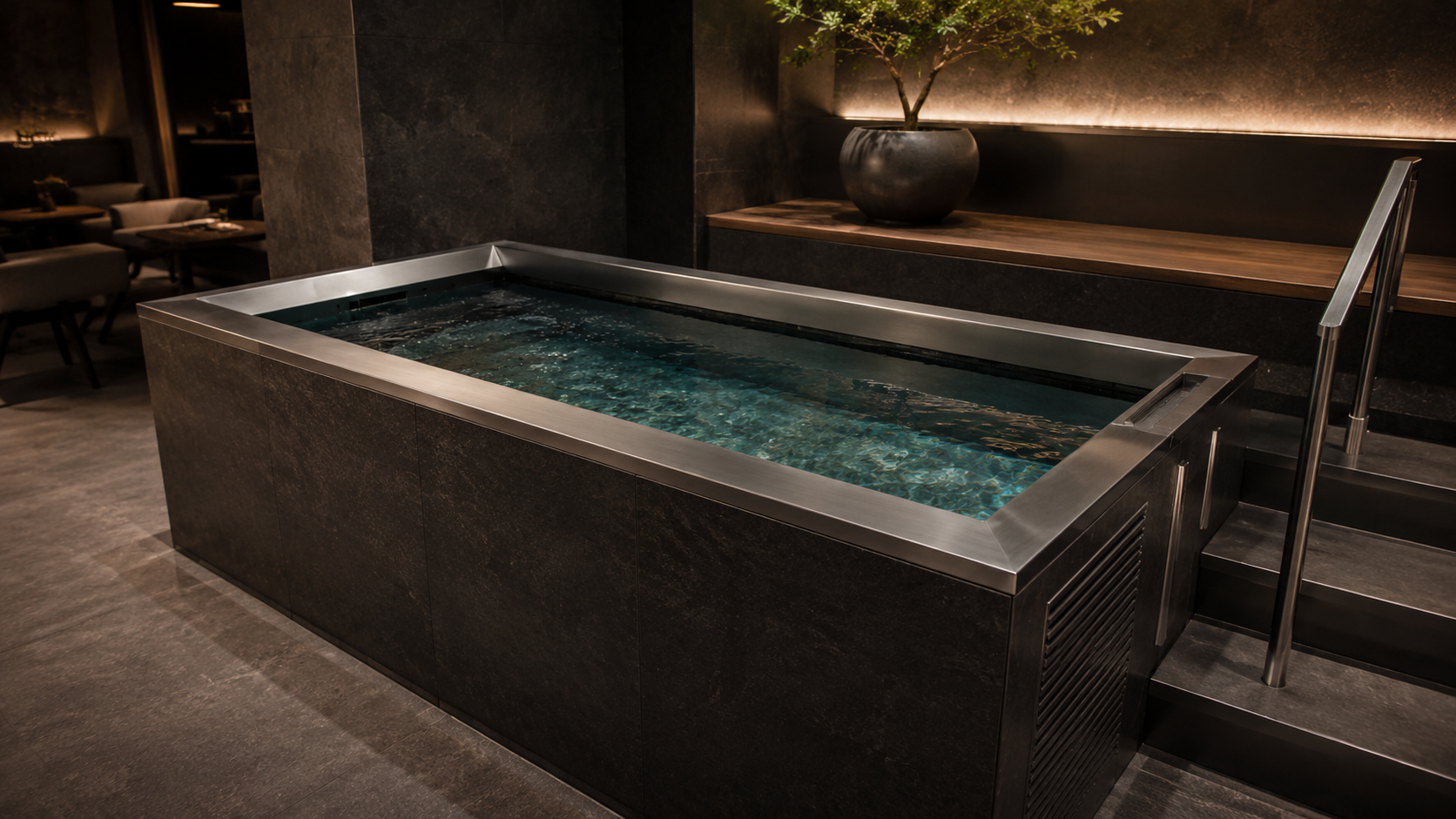
A typical CWI protocol is water at 10–15°C for 5–15 minutes [Source 11], though exact parameters depend on the operator's intended use case and the user's tolerance. The evidence is strongest in athletic populations — elite soccer, rugby, and physically active individuals recovering from acute strenuous exercise [Source 2, 7, 8] — but the underlying mechanism (vasoconstriction, altered metabolic substrate utilisation, perceived recovery) generalises to commercial guest use.
For operators, the practical translation is straightforward: a well-engineered cold plunge system, with reliable temperature control and clean water turnover, is supported by the strongest evidence base of the three modalities considered here. For a deeper engineering treatment of CWI specification, see our Cold Plunge Engineering Guide.
Contrast Water Therapy (CWT): What the Evidence Says
Contrast water therapy involves alternating immersion in hot and cold water to stimulate recovery [Source 12]. The evidence here is more mixed. Some meta-analyses have found that CWT shows no significant difference from control groups in improving exercise performance or fatigue recovery indicators [Source 4, 5]. On the other hand, CWT has been found to hasten plasma lactate decrease after intense anaerobic exercise [Source 12, 13], which is a specific biochemical effect that may matter for certain user populations.
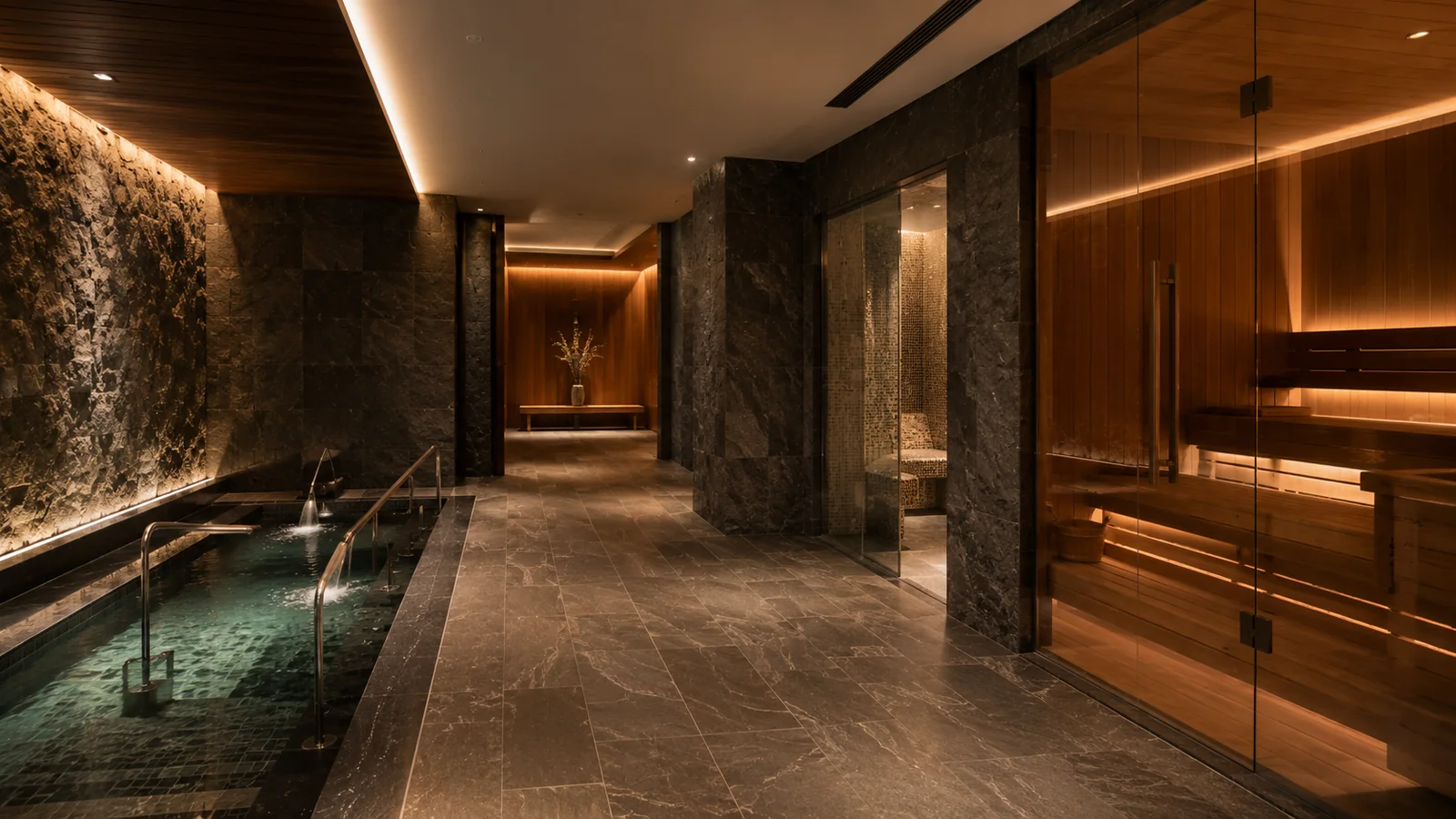
The research quality and quantity for CWT's effects on inflammation and muscle damage are noted as being lower than for CWI [Source 14, 15], which is another honest signal for operators considering CWT as a primary recovery offering.
From an engineering perspective, CWT requires two separate water systems (hot and cold) and the logistical capacity to cycle users between them [Source 12]. This is more operationally complex than CWI alone, and only makes sense when the facility already has, or is planning, paired hot/cold infrastructure such as a sauna/cold plunge combination.
Whole-Body Cryotherapy (WBC): What the Evidence Says (Including Cochrane Caveat)
Whole-body cryotherapy involves brief exposure to extremely cold dry air, typically -110°C to -140°C (sometimes up to -190°C), for 2–3 minutes per session [Source 16, 17, 18]. The modality originated for rheumatic and inflammatory diseases [Source 16] and has since been extended to athletic recovery.
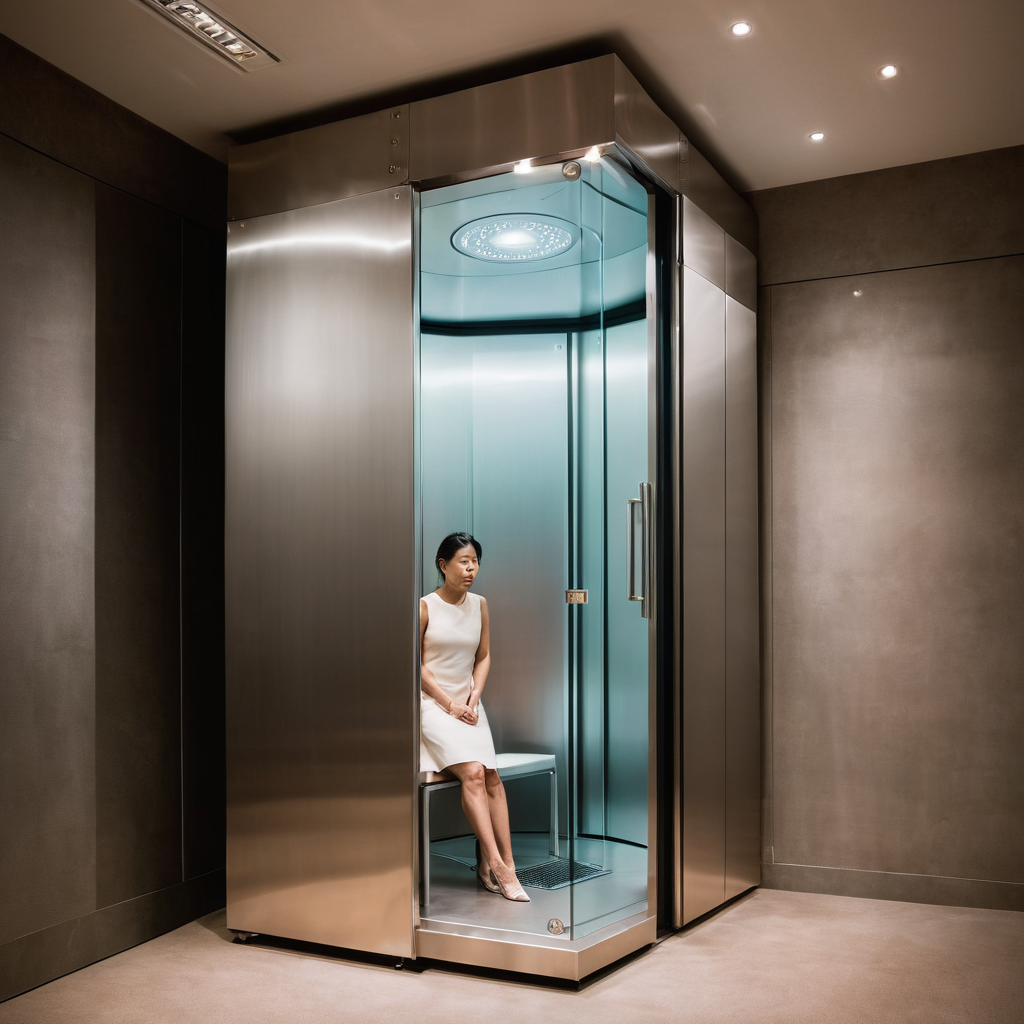
The evidence for WBC is the weakest of the three modalities. A Cochrane review concluded that there is insufficient evidence to determine if WBC is truly effective for preventing or treating muscle soreness compared to other methods [Source 9, 10]. This is an important honest signal. Multiple WBC exposures have been shown to attenuate oxi-inflammatory responses [Source 19, 20], but a single session may not significantly alter inflammatory biomarkers, and the evidence for performance restoration is more limited than for CWI [Source 17, 21].
WBC is popular among elite professional athletes — soccer, rugby, marathon runners — partly because of the high cost and specialised nature of the equipment [Source 17, 22, 23]. For commercial operators in Hong Kong, the practical engineering challenges are significant: WBC requires cryochambers, cryogenic gases (typically liquid nitrogen) or advanced electrical cooling, and ongoing technical service. The combination of higher CAPEX, weaker evidence, and more demanding operations means WBC is best positioned as a niche premium add-on, not a primary recovery offering.
Engineering Comparison Table
| Engineering Factor | Cold Plunge (CWI) | Contrast Therapy (CWT) | Whole-Body Cryotherapy (WBC) |
|---|---|---|---|
| Evidence strength (recovery) | Strong [Source 1, 2, 3] | Mixed [Source 4, 5] | Weak — Cochrane "insufficient" [Source 9, 10] |
| Typical protocol | 10–15°C, 5–15 min [Source 11] | Alternating hot/cold, ~10 min [Source 12] | -110 to -140°C, 2–3 min [Source 16, 17, 18] |
| CAPEX (relative) | Low to medium | Medium (requires 2 systems) | High |
| Plant-room complexity | Medium (chiller, filtration, sanitation) | High (two systems + cycling) | High (cryogenic supply, chamber) |
| Operator skill required | Low to medium | Medium | High |
| Hong Kong supplier availability | Strong | Moderate (depends on hot/cold pairing) | Limited |
| Regulatory complexity in HK | Low (standard pool/spa compliance) | Low | Medium to high (medical-adjacent classification) |
Hong Kong-Specific Considerations
The subtropical climate of Hong Kong and Macau introduces specific engineering constraints that affect each modality differently:
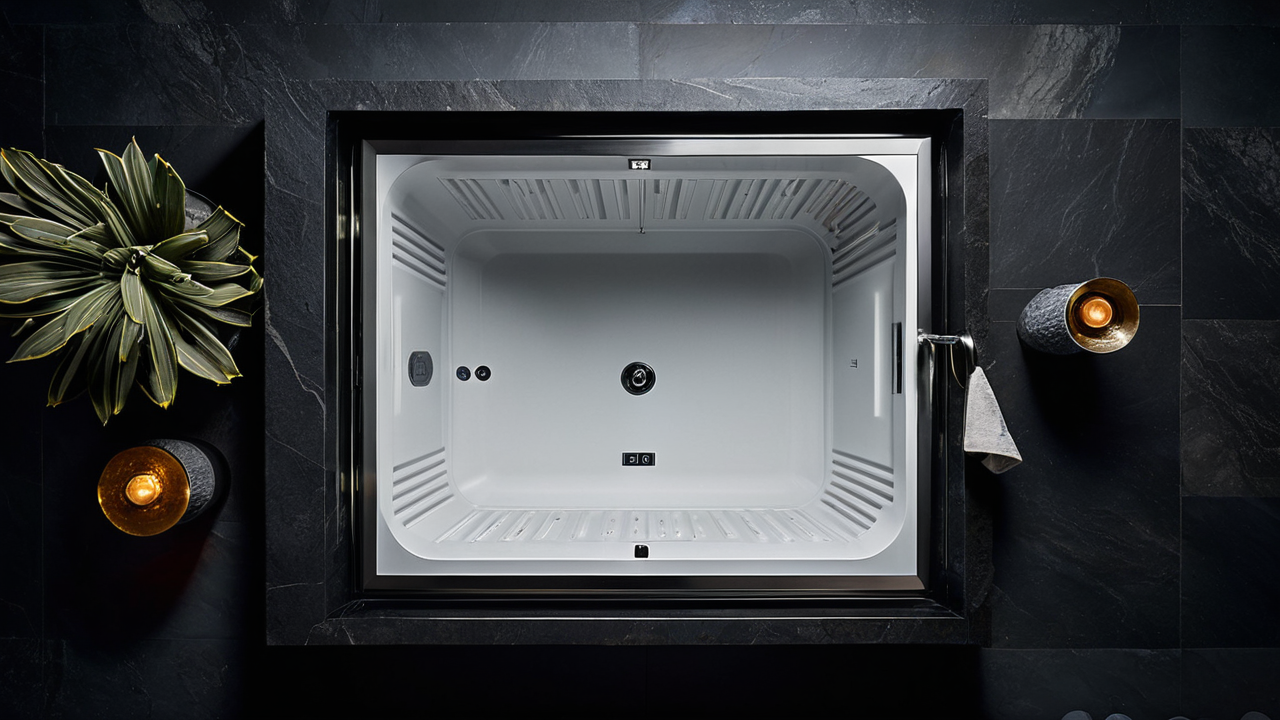
- Chiller load: CWI systems in Hong Kong must work against high ambient humidity and temperature. Engineering-grade chillers with redundant capacity are required for reliable temperature stability.
- Plant-room design: Hong Kong's premium developments have limited plant-room space. CWT is rarely practical unless the facility is being designed around it from day one.
- Cryogenic supply: WBC depends on either liquid nitrogen delivery (logistics-heavy) or advanced electrical cryocoolers (high capital and operating cost). Neither is a routine Hong Kong service compared to standard HVAC.
- Regulatory framing: WBC has a medical-device history. Hong Kong operators should consider how WBC is positioned in marketing and operations to avoid medical-treatment claims that the evidence does not support.
- Maintenance culture: Hong Kong's premium hotels, clubs, and residences expect reliable uptime. CWI has the most mature local service network; WBC does not.
For a deeper treatment of CWI's commercial engineering requirements, see our Cold Plunge Operations Framework and Commercial Cold Plunge Protocols.
Operator Decision Framework
Based on the evidence and engineering realities above, here is a framework Hong Kong operators can apply:
- If you are specifying a primary recovery amenity for the first time: choose CWI. The evidence is strongest, the local supply is most mature, and CAPEX is most predictable. See our engineering guide for specification depth.
- If you already have paired hot/cold infrastructure (sauna + cold plunge, or steam + cold plunge): CWT is a useful workflow add-on. Do not market it as a primary modality — the evidence for CWT alone is not stronger than CWI.
- If you are considering WBC as a premium differentiator: proceed only if you have (a) a clear premium positioning that justifies the higher CAPEX, (b) a service plan for the cryogenic supply chain, and (c) honest marketing that does not overclaim on muscle soreness or mood benefits. The Cochrane review on WBC is public; commercial guests may ask.
- For new developments in the Greater Bay Area: consider a phased approach — specify CWI as the core recovery amenity, design the plant room with future capacity for an additional modality, and add CWT or WBC only when the operational team is ready.
Common Mistakes When Choosing
- Treating WBC as "the most advanced" option. It is the most capital-intensive, not the most evidence-supported.
- Marketing CWT as a standalone recovery system. The evidence is weaker than popular belief, and the engineering is more complex.
- Specifying CWI without a maintenance plan. Even the most evidence-supported modality fails commercially if the system is down for a weekend.
- Importing a consumer cryotherapy chamber into a commercial setting. Consumer WBC units are not designed for commercial throughput, and they will not deliver the experience that guests expect from a premium facility.
- Choosing on CAPEX alone. The cheapest option to install is not always the cheapest to operate, and operational reliability is the real commercial value.
Conclusion
For Hong Kong operators, the recovery modality comparison resolves to an engineering-led decision: CWI is the strongest primary choice, CWT is a useful add-on when hot/cold infrastructure already exists, and WBC is a niche premium add-on that requires honest marketing and serious operational planning. The evidence is not symmetric across the three, and a credible specification should reflect that.
If you are specifying a recovery amenity for a hotel, club, or premium residence in Hong Kong, Macau, or the Greater Bay Area, the right next step is an engineering comparison for your specific site — space, plant room, guest profile, and operating model.
Next step: Request an engineering comparison for your facility — we will assess which modality or combination fits your space, your guests, and your operating team.Hong Kong-based 7/24 on-site service and maintenance guarantee. Trusted by premium hotels, clubs, and developers since 1975.
Sources
[Source 1] PubMed indexed systematic review: CWI effects on DOMS and perceived fatigue. [Source 2] PubMed indexed study: CWI and sport-specific performance recovery (jump performance). [Source 3] PubMed indexed systematic review: CWI in elite soccer and team sport recovery. [Source 4] PubMed indexed meta-analysis: CWT vs control in exercise performance and fatigue. [Source 5] PubMed indexed meta-analysis: CWT no significant difference findings. [Source 6] PubMed indexed study: CWT plasma lactate decrease after anaerobic exercise. [Source 7] PubMed indexed systematic review: CWI in elite soccer athletes. [Source 8] PubMed indexed systematic review: CWI in rugby and team sports. [Source 9] Cochrane review: WBC for muscle soreness prevention and treatment (insufficient evidence conclusion). [Source 10] PubMed indexed study: WBC vs other recovery modalities for muscle soreness. [Source 11] PubMed indexed CWI protocol review: 10–15°C, 5–15 minutes typical range. [Source 12] PubMed indexed study: CWT hot/cold cycling protocol and recovery. [Source 13] PubMed indexed study: CWT plasma lactate clearance after intense anaerobic exercise. [Source 14] PubMed indexed review: CWT inflammation and muscle damage research quality. [Source 15] PubMed indexed review: CWT lower research quantity vs other modalities. [Source 16] PubMed indexed review: WBC origin in rheumatic and inflammatory diseases. [Source 17] PubMed indexed technical review: WBC temperature range -110 to -140°C, 2–3 min exposure. [Source 18] PubMed indexed technical review: WBC cryogenic temperature specifications. [Source 19] PubMed indexed study: WBC multiple exposures attenuate oxi-inflammatory responses. [Source 20] PubMed indexed study: WBC single session inflammatory biomarker effects. [Source 21] PubMed indexed study: WBC athletic performance restoration effects. [Source 22] PubMed indexed study: WBC use in elite professional athletes (soccer, rugby, marathon). [Source 23] PubMed indexed study: WBC equipment cost and specialised use context.